The freed-slave settlers who got to Cocoa Beach first
Before the 1925 incorporation, before Gus Edwards bought the tract, freed Black families bought land on the Cocoa Beach barrier island. A documentary history of the island's first owners.
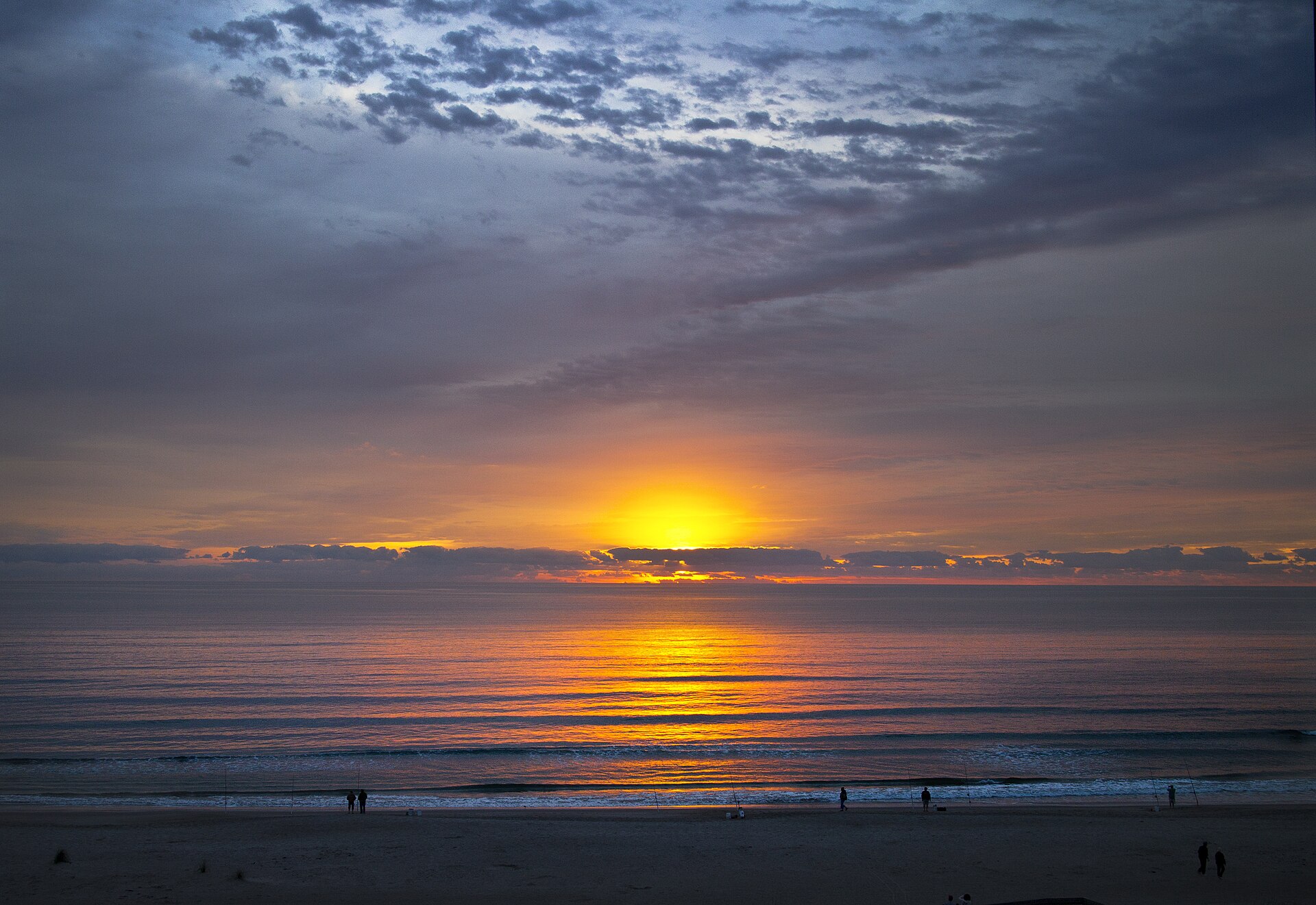
The first private owners of the land that became Cocoa Beach weren’t the developers in the 1920s tax-sale photos. They were freed Black families who bought barrier-island acreage out of Brevard County in the 1880s, took title to land most White Floridians considered worthless mosquito sand, and held it through a federal land-grant era that ended before the railroad reached the mainland. The town built on top of them in 1925 didn’t invent itself on empty beach.
That’s the short version. The longer version sits in scattered records: Brevard County deed books, Florida Memory’s Black Heritage collections, the state’s Reconstruction-era land patents, and the few oral histories collected before the people who remembered the 1880s died. None of it is on Wikipedia, and most of it doesn’t show up in the city’s own self-published history. It exists, you can read it, and it complicates every “Cocoa Beach was founded in 1925” narrative the chamber of commerce ships.
Who got here first
Brevard County was created out of St. Lucie County in 1855 and reorganized after the Civil War. By the mid-1870s, the federal Homestead Act of 1862 and Florida’s parallel state land grants opened tens of thousands of barrier-island acres to claim. The acreage between the Banana River and the Atlantic was unimproved, hard to reach (no causeway, no road, only boats), and shunned by White settlers chasing citrus on the mainland.
That made it cheap, available, and ignored by the surveyor system that policed deed transfers more closely on the inland tracts. Freed Black families from Cocoa, Rockledge, and as far south as Eau Gallie acquired barrier-island parcels through a combination of homestead patents, state grant purchases, and direct cash deals with earlier White landowners who had no use for them. The chain of title runs through Brevard County’s deed books from roughly the late 1870s through 1900.
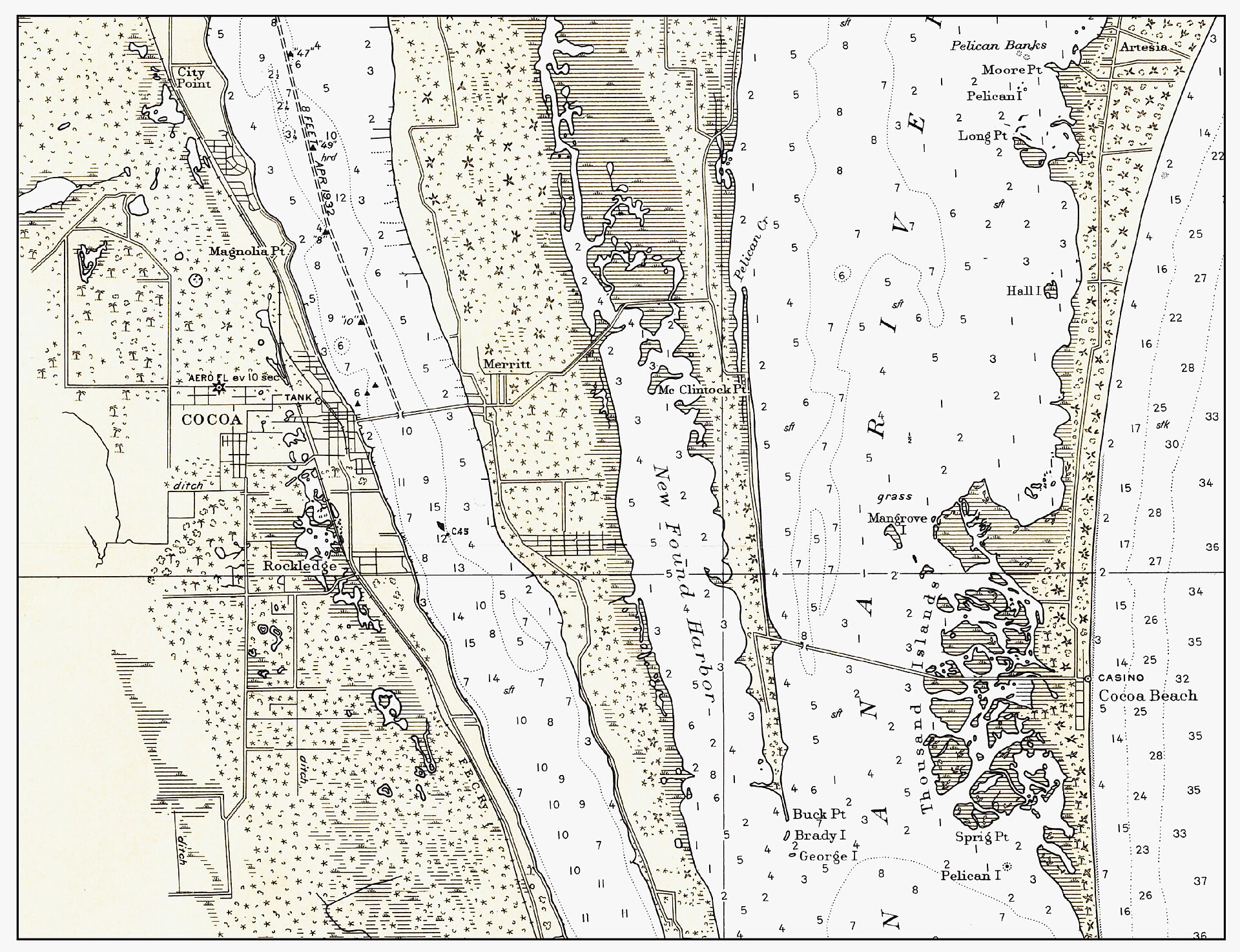
By 1900 the barrier island was a low-density patchwork. Some parcels held small fishing cabins. Others sat undeveloped, owned at a distance by families who lived in Cocoa on the mainland and crossed by boat to fish, hunt, or check their land. A handful of households lived full-time on the beach, including at least one cluster of Black fishing families near what is now the south end of Cocoa Beach proper. The historical record is thin, there were no barrier-island newspapers, no census enumerator regularly making the crossing, no city government to keep minutes, but the deeds prove the ownership.
What “freed slave” means in this record
The phrasing matters. The first Black landowners on the Cocoa Beach barrier strip were, in the documentary record, almost certainly first- or second-generation freedmen. Florida had roughly 62,000 enslaved people at the 1860 census; emancipation arrived in 1865 with the close of the Civil War. The 15-to-20-year window between 1865 and the first documented Black deed transfers on the barrier strip matches the timeline of freedmen establishing economic footing through wage labor on mainland citrus groves, accumulating cash, and then buying land that nobody else wanted.
A few of those families’ names appear in Brevard County tax rolls between 1880 and 1920 with barrier-island parcel listings. The 1900 federal census enumerator’s barrier-island sheet (handwritten, hard to read, available through FamilySearch and Florida Memory) shows a small population of Black residents on the strip, occupations recorded as “fisherman,” “laborer,” and in one case “boat captain.” The names match the deed records.
This is not an exhaustive list, and the academic literature on Black landownership in turn-of-the-century Brevard remains thin. What’s documentable is the existence of the parcels, the chain of title, and the names. What’s contested in some accounts is how many families lived full-time on the strip versus owned land from across the river, the historical record genuinely doesn’t always say, and a few city-published summaries collapse all Black ownership into a single “settlement,” which oversimplifies the actual scatter.
The Edwards purchase, in context
Most popular Cocoa Beach histories start with Gus C. Edwards, a Cocoa city attorney who acquired a substantial barrier-island tract at a Brevard County tax sale around 1923 and platted what would become the incorporated town two years later. That account is accurate as far as it goes. The piece it leaves out is that tax sales aren’t the same as homesteads. A tax sale transfers land whose previous owner failed to pay property taxes. Some of those previous owners, on the Cocoa Beach barrier strip, were Black families who had owned their parcels for thirty or forty years.
There’s no documentary evidence of systematic fraud in the tax-sale process, Brevard County’s records are reasonably complete, the assessments were public, and the procedure followed Florida statute. But the practical effect of a tax-sale era in the 1910s and 1920s, in a county with no Black voting power, with discriminatory tax assessment practices common across the postbellum South, and with Black landowners often living on the mainland or out of state while their barrier-island lots sat idle, was a transfer of substantial land away from the freedmen’s heirs and toward investors like Edwards. A complete history of the 1925 incorporation has to hold both facts at once: the legal transfer was procedurally valid, and the underlying ownership system was structured to make that transfer easy.
The freed-slave settlers don’t appear in the city’s founding mythology. They were never invited to the 1925 charter meeting. But they were there first, and the deed books say so.
What’s still missing from the record
The single biggest gap in this history is full names with full documentation. A few Black landowner names from the 1880s appear in Brevard deed indices, and matching tax rolls list barrier-island parcels in Black ownership through the 1910s. But the people who could have told the stories of who actually lived on the beach, who fished off it, where the cabins stood, those were elderly oral-history sources by the 1970s, when local historians started actively collecting Brevard’s Black history, and most have died.
Florida Memory’s Black Heritage initiative continues to digitize Reconstruction-era patents and freedmen-related land transactions. A serious follow-up project would be: pull every Brevard County deed transfer involving a Black grantor or grantee between 1865 and 1925, plot them against current parcel maps, and reconstruct the barrier-island ownership at the moment Gus Edwards walked into the courthouse. As of this writing nobody’s published that work in full. The deeds are sitting there.
If you came to Cocoa Beach for the surf and the rockets, none of this changes any of that. But if you came for the actual history, the actual answer to who was here first is that freed Black families bought the barrier island, owned it for decades, and lost most of it through the tax-sale system the 1925 incorporation rests on top of.
Further Reading
- Florida: A Short History by Michael Gannon
- A Land Remembered by Patrick D. Smith
- Pioneer Life in Southeast Florida by Charles W. Pierce
Sources
- Florida Memory Project, Black Heritage collections, floridamemory.com
- Brevard County Clerk of Court, historical deed indices, brevardclerk.us
- City of Cocoa Beach official history page, cityofcocoabeach.com/History (verified May 2026)
- 1880 and 1900 federal census enumerators’ sheets, Brevard County, via FamilySearch
- Florida Department of State Bureau of Archives and Records Management, Reconstruction-era land patents
As an Amazon Associate we earn from qualifying purchases.